
Our sense of smell can be a powerful tool for detecting danger or potential hazards in our surroundings. When we detect an unpleasant odor, it is often an indication that something is not right. However, not all bad smells are easy to identify and some may even linger for extended periods of time. In this article, we will explore the reasons behind common household odors that range from spoiled food, to blocked drains, and pet smells.
Leftovers forgotten in the back of the refrigerator or perishables that have gone unnoticed can quickly develop a strong smell. Additionally, sink odors are no easy feat to get rid of and can be quite stubborn. The combination of food particles, grease, and bacteria in our kitchen sinks can lead to unpleasant odors that often require professional cleaning services to eliminate.
The bathroom is another common area where household odors may originate from. A blocked drain can cause water to back up and become stagnant, creating a breeding ground for bacteria that emit foul smells. Additionally, the buildup of hair and soap scum in drains can contribute to unpleasant odors.
As much as we love our furry friends, they can also be a source of household odors. From pet accidents on carpets to lingering pet smells on furniture, these odors can be difficult to remove if not properly addressed.

Mold and mildew are types of fungi that thrive in damp, dark environments. Not only do these household odors smell musty and unpleasant, but they can also be hazardous to our health if left unaddressed. Here are some areas where mold can grow:
Natural remedies are a popular choice for tackling household odors without relying on harsh chemicals. Baking soda, for example, is an excellent odor absorber that can be sprinkled in refrigerators or trash cans. Vinegar is another versatile option that neutralizes odors and can be used in cleaning solutions. Essential oils, like lavender or eucalyptus, add pleasant scents and have antibacterial properties. These eco-friendly solutions not only address odors but also align with sustainable living practices.
Must read: Hate the Smell of Vinegar? Here’s How to Mask it!
While natural remedies are effective, some situations may call for commercial products specifically designed for odor elimination. Air purifiers with HEPA filters can capture airborne particles and odors, improving indoor air quality. Odor-neutralizing sprays and gels, often containing activated charcoal or enzymes, target the source of smells. When selecting products, look for those with positive reviews and ingredients that are safe for your family and pets.

Addressing household odors effectively requires a combination of natural remedies and reliable commercial products, tailored to the specific needs of your environment. At Bio-One of Sacramento, we offer professional services to ensure your home or business remains a healthy and pleasant place to be.
With our advanced techniques and specialized equipment to identify and eliminate odors at their source, we can provide peace of mind and improved air quality. Whether you're facing stubborn odors from mold, smoke, or other sources, our trained technicians are ready to assist you with tailored solutions. Contact us today!

Mold. Just the word can send shivers down the spine of any homeowner. This sneaky intruder thrives in damp, dark environments, making our homes the perfect breeding ground. But why should you care about mold? It’s not just an unsightly nuisance; it poses serious health risks. In this blog post, we'll explore the most dangerous types of mold in homes and, more importantly, how to tackle them effectively.
Mold is a type of fungus that grows anywhere there is moisture. From leaky pipes to humid basements, mold can find a way in and flourish. While some molds are harmless, others can be lethal.
Mold releases spores into the air, which can cause many health problems when inhaled. These can include respiratory issues, allergic reactions, and even neurological problems. For people with compromised immune systems, the elderly, and young children, the risks are even higher. That’s why it's essential to identify and eliminate mold as soon as possible.
While there are thousands of mold species, three types are particularly hazardous to your health and home. Let's take a closer look at Stachybotrys, Aspergillus, and Penicillium.
One of the most infamous types of mold is Stachybotrys, commonly known as black mold. This mold is dark green or black and is often found in water-damaged buildings. It produces mycotoxins that can cause severe health issues.
Exposure to black mold can lead to chronic respiratory problems, skin irritation, and even depression. Prolonged exposure can be particularly harmful, causing symptoms like fatigue, headaches, and memory loss.
Black mold loves cellulose-rich building materials like wood and drywall. It thrives in areas with high humidity, such as basements, bathrooms, and kitchens.
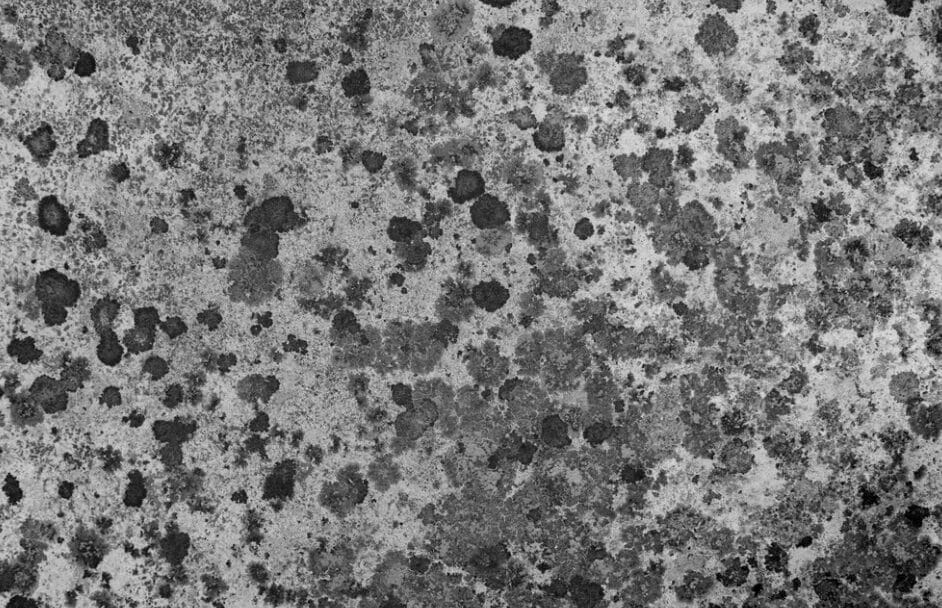
Next on the list is Aspergillus, a common mold that can grow in various environments. While it’s prevalent outdoors, it can easily make its way indoors.
Inhaling Aspergillus spores can lead to allergic reactions, lung infections, and a condition called aspergillosis, which affects the respiratory system. This mold is particularly dangerous for people with weakened immune systems.
This mold often appears as a yellow-green or gray color and can be found in damp areas like walls, floors, and insulation. It’s also common in air conditioning units and humidifiers.
Penicillium is another dangerous mold that deserves attention. While some species of Penicillium are used to produce antibiotics, others can be harmful when they invade your home.
Exposure to Penicillium can lead to respiratory issues, sinus infections, and inflammation. It produces mycotoxins that can cause severe allergic reactions and even chronic illnesses if not addressed.
Penicillium is often blue or green and thrives in water-damaged environments. It’s commonly found in wallpaper, carpets, and old books. This mold can spread quickly.
Detecting mold early can save you from extensive damage and health issues. Here’s how to identify mold in different areas of your home.
One of the most apparent signs of mold is visible growth. Look for discolored patches on walls, ceilings, and floors. Mold can appear in various colors, including black, green, blue, and white.
A persistent musty smell is often a telltale sign of mold. If you notice an unusual odor in certain areas of your home, it’s worth investigating further.
If you or your family members experience unexplained allergic reactions, respiratory problems, or skin irritation, mold could be the culprit. Pay attention to symptoms that worsen when you’re at home and improve when you’re away.

If you suspect mold in your home, it’s essential to address the issue as soon as possible. Bio-One of Sacramento offers professional mold remediation services to help eliminate mold and prevent further growth. Don’t let mold take over your home – trust Bio-One of Sacramento for a definitive solution. Call us for a free consultation in Sacramento County and the surrounding areas!

Hoarding affects millions of people worldwide. Yet, its symptoms are often misunderstood or misidentified, leading to confusion and misdiagnosis. In this listicle, we'll explore the common scenarios mistaken for hoarding and provide practical advice on how to approach each situation.
Hoarding Disorder is characterized by an intense need to save items, and it usually results in significant clutter that disrupts living spaces. Unlike mere collecting, hoarding interferes with daily life and can cause distress and health issues. According to the American Psychiatric Association, approximately 2-6% of the population is affected by Hoarding Disorder, making it essential to distinguish it from other behaviors.
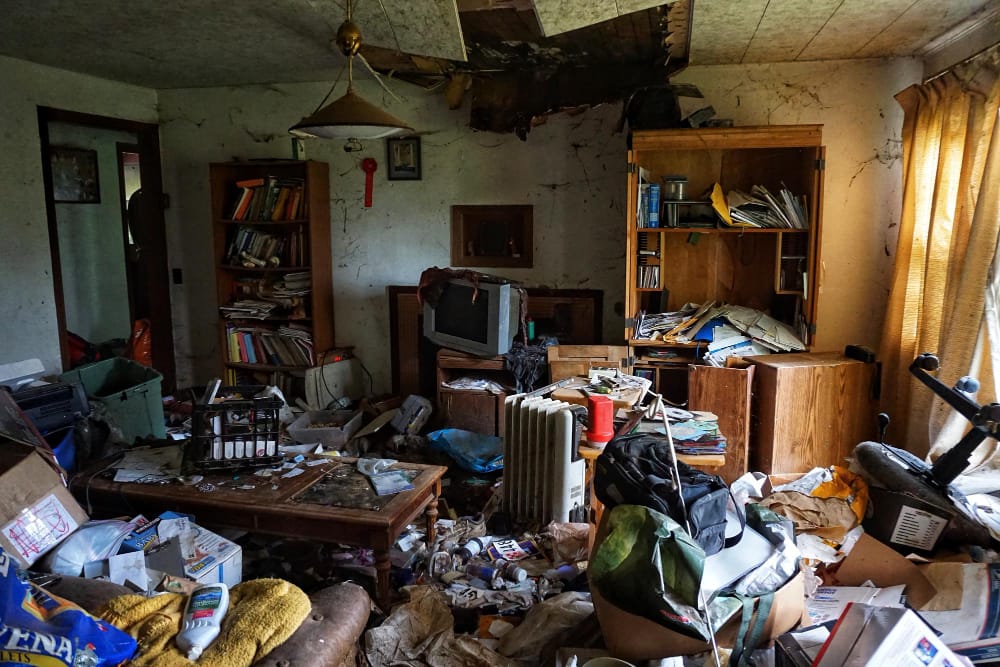
Many people experience clutter from time to time, but this doesn't mean they are hoarders. The key difference lies in the functionality of the living space. Clutter can be a temporary state, often due to busy schedules or lack of organization. In contrast, hoarding involves persistent difficulty discarding items, severe accumulation and interference with daily activities.
People often misunderstand hoarding, leading to several misconceptions:
Collecting involves gathering items of interest in an organized manner. Collectors often have a specific focus, like stamps or vintage coins, and their collections are usually well-maintained and displayed. Hoarding, on the other hand, involves acquiring items indiscriminately and to the point where it disrupts living spaces.
Tip: Organize and store your collection properly, or help someone you know do the same if they enjoy collecting.

People often cling to items for sentimental reasons. They cherish objects like old letters or childhood toys, as these items carry emotional value and represent cherished memories. While it is common to keep some sentimental items, excessive attachment can lead individuals to hoard.
Tip: Create a dedicated space for sentimental items and limit it to a specific area. Consider digital alternatives, like scanning photos or letters, to preserve memories without physical clutter.
When clutter accumulates, life can feel busy and overwhelming. This situation is common and doesn't necessarily indicate hoarding. If someone feels overwhelmed by clutter, they might need help organizing their space.
Tip: Set aside time each day to organize specific areas of the home to prevent clutter from building up.
It's important to distinguish hoarding from Obsessive Compulsive Disorder (OCD). While both involve repetitive behaviors and difficulty discarding items, the motivations differ. Hoarding is driven by a desire to acquire and save items, while OCD involves obsessions and compulsions that cause anxiety or distress.
Tip: If someone exhibits hoarding behavior, it's essential to consult with a mental health professional for an accurate diagnosis. Treatment plans will vary depending on the underlying condition.

Compulsive shopping or retail therapy can lead to an accumulation of items, which might be mistaken for hoarding. However, the primary issue here is the shopping behavior rather than the inability to discard items.
Tip: Setting a budget and avoiding impulsive purchases can help control compulsive shopping behavior. Seeking professional help is also an option for those struggling with this issue.
No matter the situation—whether you’re dealing with hoarding or simply struggling with mild clutter, Bio-One of Sacramento is here to help. We provide professional hoarding cleanup services tailored to meet your specific needs. Reach out to us today to see how we can assist you in reclaiming your home and finding peace of mind!
Did you know that your home could harbor hidden dangers in the form of drug residue? Many homeowners are unaware that drug particles can linger long after use, and most of them may not be aware when moving in or out of a home. These drug particles can pose serious health risks for both adults and children, especially if they are exposed to them regularly.
In this post, we'll uncover the truth about drug residue in your home, teach you how to identify it, discuss the health implications, and provide practical steps for removal and prevention.
Drug residue isn't just limited to visible powder or liquid spills. It can also be found in smoke particles and microscopic dust. This residue can settle on surfaces, penetrate carpets, and cling to curtains, making it difficult to detect without thorough testing.
Residue can enter your home through various means. For instance, smoking drugs indoors allows particles to settle on walls and furniture. Even non-smokable drugs can leave a residue if their powder form gets dispersed in the air. Over time, these particles accumulate, creating a potentially hazardous environment.
The presence of drug residue in your home can have severe health consequences. For families, it poses risks to children and pets who are more vulnerable to contaminants. Additionally, homeowners may face legal issues, especially if the residue is linked to illegal substances.
How can you tell if your home has drug residue? There are several signs and symptoms to watch for, as well as tests you can perform to confirm its presence:
Signs and Symptoms
If you've recently moved into a new home and notice unexplained illness, strange odors, or discoloration on walls and fabrics, look for help. Chronic coughing, headaches, and skin irritation are also symptoms that warrant further investigation.
DIY Tests
You can purchase drug residue test kits online, which allow you to swab surfaces and check for the presence of various substances. These kits provide a preliminary indication, but their accuracy can vary. Therefore, it's often best to seek professional help for a thorough assessment.
When to Seek Professional Help
If DIY tests confirm your suspicions, or if you're experiencing persistent health issues without a clear cause, it's time to call in the professionals. While DIY cleaning methods can be effective, they may not eliminate all residues, especially if contamination is extensive.
Companies specializing in drug residue remediation can provide comprehensive solutions, ensuring your home is safe and clean.
Exposure to drug residue can have serious health impacts, especially for certain groups within your household.
Children and pets are particularly susceptible to the dangers of drug residue. Their smaller size and developing systems mean they absorb contaminants more readily than adults. This can lead to developmental issues, respiratory problems, and other health concerns.
Even if you don't use drugs, living in a contaminated environment puts you at risk. Second-hand exposure can occur through inhalation of particles or contact with contaminated surfaces, leading to chronic health issues over time.
Long-term exposure to drug residue can have lasting effects. Respiratory problems, neurological issues, and even cancer have been linked to prolonged exposure. It's essential to address drug residue promptly to safeguard your health.
While DIY tests and cleaning methods can offer a temporary solution, professional services provide the comprehensive remediation necessary to ensure a truly safe environment. Bio-One of Sacramento specializes in drug residue remediation, offering expert assessments and thorough cleanings to give you peace of mind.
Call us for a free consultation in Sacramento County and the surrounding areas!

Your home should be a place of comfort and safety, but what happens when hidden dangers like "gross filth" accumulate? Let's dive in and identify, address, and prevent gross filth-cleaning situations in your home.
But before we begin, you should know what "gross filth" is, as some people may not have heard of this term before. Gross filth is defined as a high level of clutter and dirt that poses a health risk to the occupants of a dwelling. Gross filth refers to extreme dirt, grime, and clutter that can accumulate in a house or proper, causing unsanitary living conditions. It goes beyond everyday mess and can include things like rotting food, mold, and pest infestations.
Ignoring gross filth can lead to respiratory problems, allergic reactions, and even infections. It can also attract pests like rodents and insects, creating an even bigger problem.
Bathrooms are a common hotspot for gross filth due to the constant presence of moisture. Mold and mildew can quickly develop, especially in hard-to-reach areas like behind the toilet or under the sink. Regular cleaning and proper ventilation are key to keeping this area sanitary.
Kitchens can harbor all sorts of filth, from grease build-up on countertops and stoves to food particles in hidden corners. Unattended spills and expired food items can contribute to a gross filth situation. Keeping a regular cleaning schedule can help mitigate these risks.
Hidden spaces like basements, attics, and crawl spaces. These areas are often neglected during regular cleaning and can become breeding grounds for pests and mold. Regular inspections and cleanings are vital for these often-overlooked spots.
Gross filth situations often manifest subtly at first, with signs that can easily be overlooked or dismissed as minor inconveniences. However, over time, these signs can escalate into severe health hazards and structural issues.
One of the first signs of gross filth is an unusual odor. If you notice persistent bad smells in a home, something needs to be addressed. These odors can be caused by rotting food, mold, or even pest infestations.
Visible dirt and grime are obvious indicators of gross filth. Look for layers of dust, grease stains, or other forms of dirt that seem to be accumulating rapidly.
The presence of pests like rodents, cockroaches, or ants is a surefire sign of gross filth. These pests are attracted to unsanitary conditions and can exacerbate the problem. If you notice any signs of pests, it's time to take immediate action.
In one case, a homeowner ignored mold build-up in their bathroom for months. By the time they decided to address it, the mold had spread to the walls and ceiling, requiring professional remediation.
Grease and grime had accumulated behind another homeowner's stove over several years. The severe build-up attracted cockroaches, necessitating a thorough cleaning and pest control treatment to resolve the issue.
A cluttered basement filled with old newspapers and cardboard boxes became a haven for rodents. The homeowner had to clear out the clutter and hire an exterminator to eliminate the rodent problem.
Gross filth situations are more than just an eyesore. They're a health hazard. That's why it's essential to address them immediately with professional cleaning services. Bio-One of Sacramento is equipped and trained to handle gross filth cleanups in residential and commercial properties. Our team follows strict safety protocols, and specialized cleaning techniques, and uses industrial-grade equipment to ensure effective and thorough cleanup. Don't hesitate to reach out to us for assistance!

For immediate assistance with after-death cleanup, contact Bio-One of Sacramento 24/7 at (916) 833-2461 for discreet, compassionate services. Our local professional cleanup team is proficient and equipped to manage traumatic situations effectively.
In the wake of losing a loved one, the world seems to pause, wrapped in a haze of grief and disbelief.
During this challenging and emotional time, the myriad of tasks and arrangements that need to be handled can feel insurmountable, a mountainous journey that one is ill-prepared to embark upon.
Yet, amidst the sorrow and the pain, these tasks beckon for attention, demanding a semblance of normalcy in a world turned upside down.
While specific circumstances surrounding a death can vary widely — from expected passings after long illnesses to sudden losses that leave us reeling — the essence of what needs to be done in the aftermath shares common threads.
This guide's purpose is not to add to the burden of your loss but to offer a gentle roadmap through the maze of practicalities that follow a loved one’s departure. This checklist serves as a starting point, a foundational guide to navigating the initial steps post-loss.
In the following sections, we will delve deeper into each item on the checklist, providing insights, tips, and resources to assist you at every step. Whether arranging the funeral, handling the deceased’s estate, or simply knowing your rights and the support available, this guide aims to lighten your load and offer clarity amidst confusion.
Let’s embark on this journey together, with compassion and understanding, as we explore the critical first steps after the loss of a loved one.

In the immediate aftermath of a loved one’s passing, one of the first considerations may be their wishes regarding organ donation. Giving can save or enhance the lives of many individuals, making it a significant decision.
Here’s how to proceed:
Begin by looking for official documentation indicating the deceased’s organ donation wishes. This is often found on a driver’s license, where a small symbol signifies their consent to be an organ donor. Additionally, an advanced healthcare directive or living will might contain specific instructions regarding organ donation.
If you discover that your loved one is an organ donor, it’s crucial to inform first responders, nurses, or doctors immediately. The timing is critical for organ donation, and healthcare professionals need to know as soon as possible to preserve the organs’ viability.
Organ donation is handled with the utmost respect and care for the donor and their family. It’s helpful to familiarize yourself with the process, including additional consent forms, discussions about which organs or tissues can be donated, and the steps involved in the donation procedure.
While it’s a profoundly personal decision, understanding the impact of organ donation can offer some comfort during this difficult time. Each organ donor can save up to eight lives, while tissue donations can significantly improve the lives of up to 75 people.
Making decisions about organ donation during a time of grief can be overwhelming. Don’t hesitate to seek support from hospital staff, organ donation organizations, or a trusted advisor who can provide information and guidance.
Ultimately, the decision to donate organs should align with the wishes of the deceased. If they had not expressed a decision about organ donation, the responsibility falls to the next of kin to make the decision, keeping in mind what they believe their loved one would have wanted.

When a loved one passes away at home without medical supervision, it’s crucial to know the immediate steps to take. This not only ensures that their death is legally documented but also that you’re guided through the initial stages of managing their passing.
Here’s what to do:
If the death was unexpected, your first step should be to call emergency services (911 in the United States). They will dispatch the necessary personnel to your location.
Clearly explain the situation to the operator, stating that your loved one has passed away at home and there was no medical supervision at the time of death. Provide any details about the deceased’s medical history or circumstances leading to their death that might be relevant.
The operator may provide specific instructions for you to follow. This could include not moving the deceased’s body or attempting to resuscitate if it’s clear the individual has passed away.
In many cases, especially if the death was unexpected, the police and medical personnel will be dispatched to the scene. They are involved in ensuring no foul play and documenting the occurrence officially.
Depending on the jurisdiction and circumstances of the death, a medical examiner or coroner may need to examine the body. If this is necessary, emergency services or the police will coordinate it.
The authorities on the scene will help guide you through the initial documentation needed. This might include a legal pronouncement of death, which is essential for funeral arrangements and the execution of the deceased’s will, and other legal matters.
Don’t hesitate to ask the responding authorities any questions you may have about the process. They can guide you through the immediate next steps, including who to contact next and how to handle the deceased’s body respectfully.
It’s understandably a highly emotional time, but try to remain calm and respectful as the authorities do their job. They are there to help you through this challenging moment and ensure everything is handled correctly and with dignity.

In the immediate aftermath of a loved one’s passing, ensuring the well-being of any dependents — whether children, elderly family members, or pets — is paramount. This adjustment period is critical, and managing their immediate needs with compassion and efficiency can help alleviate the stress during this challenging time.
Here’s how to approach it:
Finding a safe and comforting environment is essential if children are affected by the loss. Reach out to a close family member, friend, or caregiver whom the children know and trust. This person should be capable of providing care for at least 24–48 hours, allowing you time to manage immediate arrangements without added worry.
Depending on the children’s age, explain what has happened in a manner that is sensitive and appropriate for their understanding. Assure that they are being taken care of and that you will be there for them.
Consider these when making arrangements if the deceased had expressed specific wishes regarding who should care for their dependents or if unique family dynamics are at play. It’s important to honor these wishes as much as possible, provided they align with the best interest of the dependents.
Pets also feel the loss and may become anxious or stressed during this time. Arrange for them to stay with a friend, family member, or a pet care service that can give them the attention and care they need. Ensure the caregiver is informed about the pet’s routines, dietary needs, and medical conditions.
Ensure the temporary caregiver has all necessary information for children or pets, including emergency contact numbers, medical records, dietary restrictions, and favorite toys or comfort items. This helps maintain a sense of normalcy and comfort.
Ensure the children and the caregiver can reach you if needed. Open communication is critical to ensuring the dependents feel supported and cared for, even in your absence.
Use this time to start thinking about any long-term arrangements that might need to be made for the dependents’ care and well-being, especially in light of the family’s loss.

The task of informing others about the passing of a loved one is both delicate and necessary. It’s a step that invites support and shared grief but can also be emotionally taxing. Prioritizing who to contact immediately and who can wait is crucial in managing this task without becoming overwhelmed.
Here’s how to approach it:
Begin by contacting those closest to the deceased — spouses, children, siblings, and best friends. These individuals should hear the news from you directly rather than through social media or other indirect means.
For those in the closest circle, phone calls are the most personal and respectful way to convey the news. They allow for an immediate, compassionate exchange and offer an opportunity for mutual support.
If you find the task too overwhelming to manage, it is okay to ask a trusted family member or friend to help notify others. Choose someone close to the deceased who can handle the task with sensitivity.
After informing the immediate circle, list other friends, distant family members, colleagues, and acquaintances to contact. Organizing this list by priority or relation can help streamline the process.
Consider using email, text messages, or social media for the broader circle, especially if you need to notify a large group. A carefully worded message that conveys the news with respect can be appropriate. Remember to ask for discretion in spreading the news until all close family and friends have been personally informed.
People process grief in various ways. Be prepared for a range of emotions from those you notify, from shock and denial to immediate grief. Offer support where you can, and understand if some need space to process the news.
If funeral or memorial service details are available and you feel appropriate, you can share this information with those you notify. Otherwise, let them know that details will follow once arrangements have been made.
Remember notifying others also reminds you of your loss. It’s emotionally draining, so take breaks as needed and lean on others for support during this process.
Securing a legal pronouncement of death is a necessary formal step in the process following a loved one’s passing. This official declaration is the first legal recognition of death and is essential for many subsequent tasks, from arranging the funeral to settling the estate.
Here’s how to navigate this process:
A medical professional is responsible for pronouncing death. If the death occurred in a hospital or hospice, the attending physician would make the pronouncement. In cases where death occurs at home without medical supervision, a qualified professional such as a coroner or medical examiner may need to be involved.
Contact the attending physician, the hospital, or your local medical examiner’s office to obtain a legal pronouncement depending on where and how the death occurred.
Primarily, suppose the death occurred outside of a medical facility. In that case, the body might need to be examined by the medical examiner or coroner to determine the cause of death before a pronouncement can be made.
Once a death has been legally pronounced, you can request official death certificates from the hospital, physician, or your local vital records office or health department. These documents are crucial for many next steps in managing your loved one’s affairs.
Many institutions require an original death certificate to process changes after death (e.g., banks, insurance companies, and government agencies). Estimate how many copies you need and request them upfront to avoid delays. It’s not uncommon to need 10 or more copies.
The process for obtaining a legal pronouncement of death can vary significantly by location, especially regarding who is authorized to make the pronouncement and issue death certificates. Familiarize yourself with local laws and procedures to ensure compliance.
There may be a fee for each copy of the death certificate. While the initial cost might seem minor, it can add up if you require many copies. Plan for this expense in your budget.
Transparent and respectful communication can help streamline interactions with medical or government officials. Remember, these professionals are accustomed to assisting individuals in your situation and can often provide additional guidance.
In the immediate aftermath of losing a loved one, having a support system in place is crucial for both emotional and practical support. Grieving is a deeply personal process, yet it’s important to remember you don’t have to navigate this difficult time alone.
Here’s how to establish and utilize a support system effectively:
Identify family members and friends who can offer you emotional and practical support. Think about those who have been there for you in past times of need and who you feel comfortable relying on now.
Be open with your support network about what you’re going through and how they can help. Let them know whether you need someone to listen, help with funeral arrangements, or manage daily tasks like cooking or childcare.
Many tasks must be completed after a loved one’s death, from funeral arrangements to notifying banks. Divide these tasks among your support network based on each person’s strengths and availability. This approach helps manage the workload and allows everyone to contribute meaningfully.
Grief counselors, therapists, and support groups specialize in helping people navigate the complexities of grief. Don’t hesitate to reach out to these professionals for support. They can offer coping strategies, a compassionate ear, and a safe space to express your feelings.
Many communities have resources for grieving people, including support groups, workshops, and seminars. These resources can provide additional support and connections with others experiencing similar losses.
Sometimes, help comes from unexpected places. If someone offers assistance, consider accepting it. Whether a neighbor offering a meal or a colleague willing to handle some of your responsibilities, these gestures can provide significant relief.
Remember that taking care of yourself is not selfish. Grief can be physically and emotionally exhausting, so eating well, getting enough rest, and engaging in activities that nurture your well-being is crucial.
In moments of deep grief, it might be tempting to isolate yourself. However, staying connected with others, even in small ways, can provide a lifeline during this time. Regular check-ins with friends, family, or a support group can make a difference.
It’s essential to acknowledge the road you’ve embarked upon following the loss of a loved one. The journey through grief is deeply personal, marked by moments of profound sadness, reflection, and, eventually, healing. While the steps outlined in this guide aim to navigate the practical aspects of this journey, remember that the emotional and spiritual journey is equally important.
You may find moments of peace, healing, and hope as you continue your journey. Your loved one’s memory will always be a part of you, shaping your journey in ways seen and unseen. Embrace the journey ahead, with its myriad of emotions, as a testament to the love you shared and the resilience within you.
For immediate assistance with after-death cleanup, contact Bio-One of Sacramento 24/7 at (916) 833-2461 for discreet, compassionate services. Our local professional cleanup team is proficient and equipped to manage traumatic situations effectively.
Resources For Those Left Behind After a Suicide Click here for suicide prevention and postvention resources.

Hoarding can have profound effects on individuals and their families. While it may start as a seemingly harmless collection of items, it can quickly escalate into an overwhelming situation that affects daily living, relationships, and mental health. Sit back as we shed light on the distinctions between hoarding, clutter, and squalor to help you recognize the signs and understand the impact of these behaviors!
Hoarding is a recognized mental health condition characterized by the persistent difficulty in discarding or parting with possessions, regardless of their actual value. This behavior leads to the accumulation of items in living spaces, making them unusable and often unsafe. Hoarding is driven by a perceived need to save items and the distress associated with discarding them.
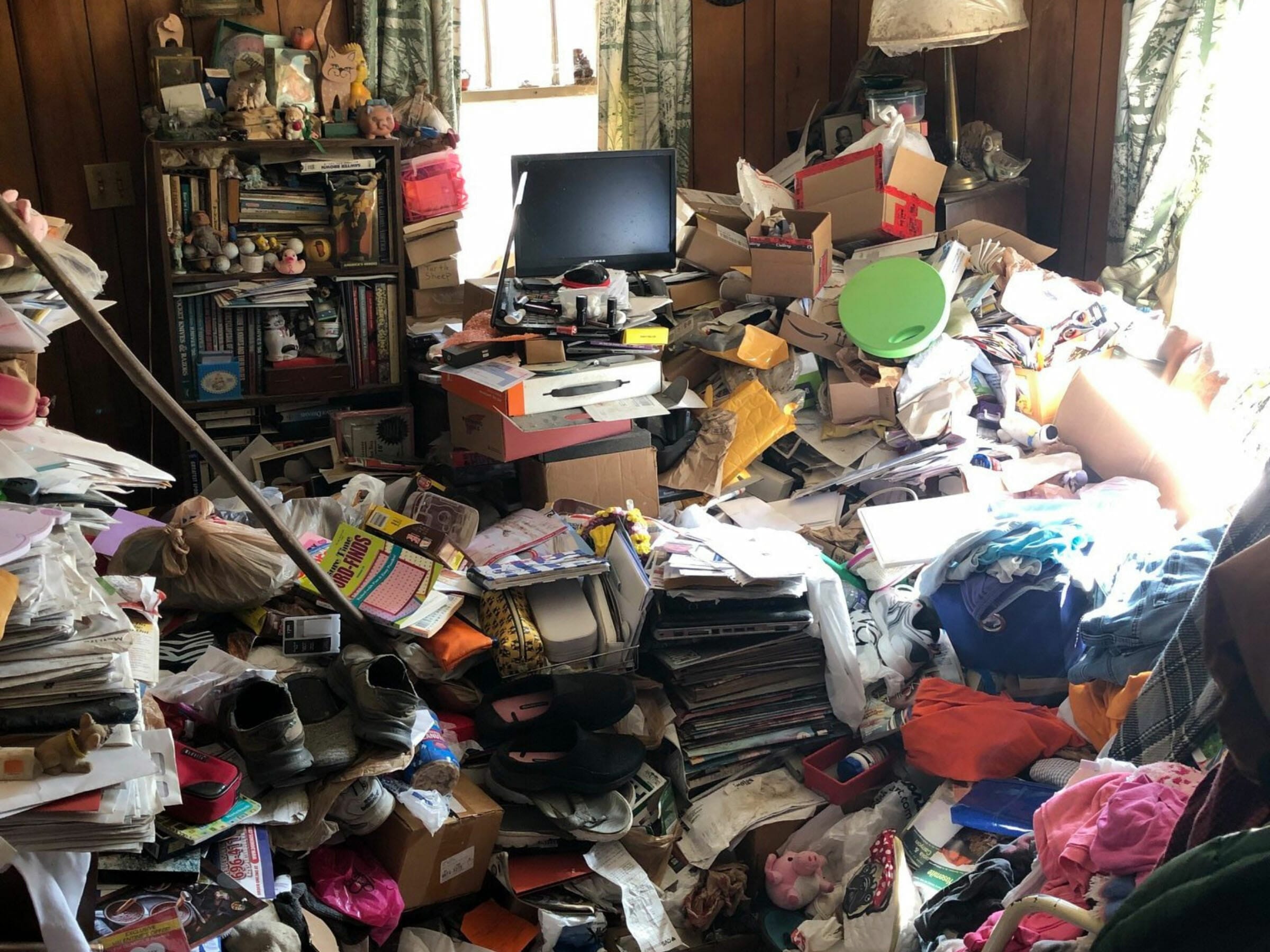
Clutter refers to the accumulation of items that may be disorganized but do not necessarily interfere significantly with daily functioning. Unlike hoarding, clutter is generally more manageable and may not be associated with the same level of emotional distress.

Squalor involves living in extremely dirty and unsafe conditions. It can be a result of hoarding or severe neglect, and it leads to homes filled with garbage, animal waste, and hazardous materials. Squalor severely impacts the health and well-being of the individuals living in such conditions.
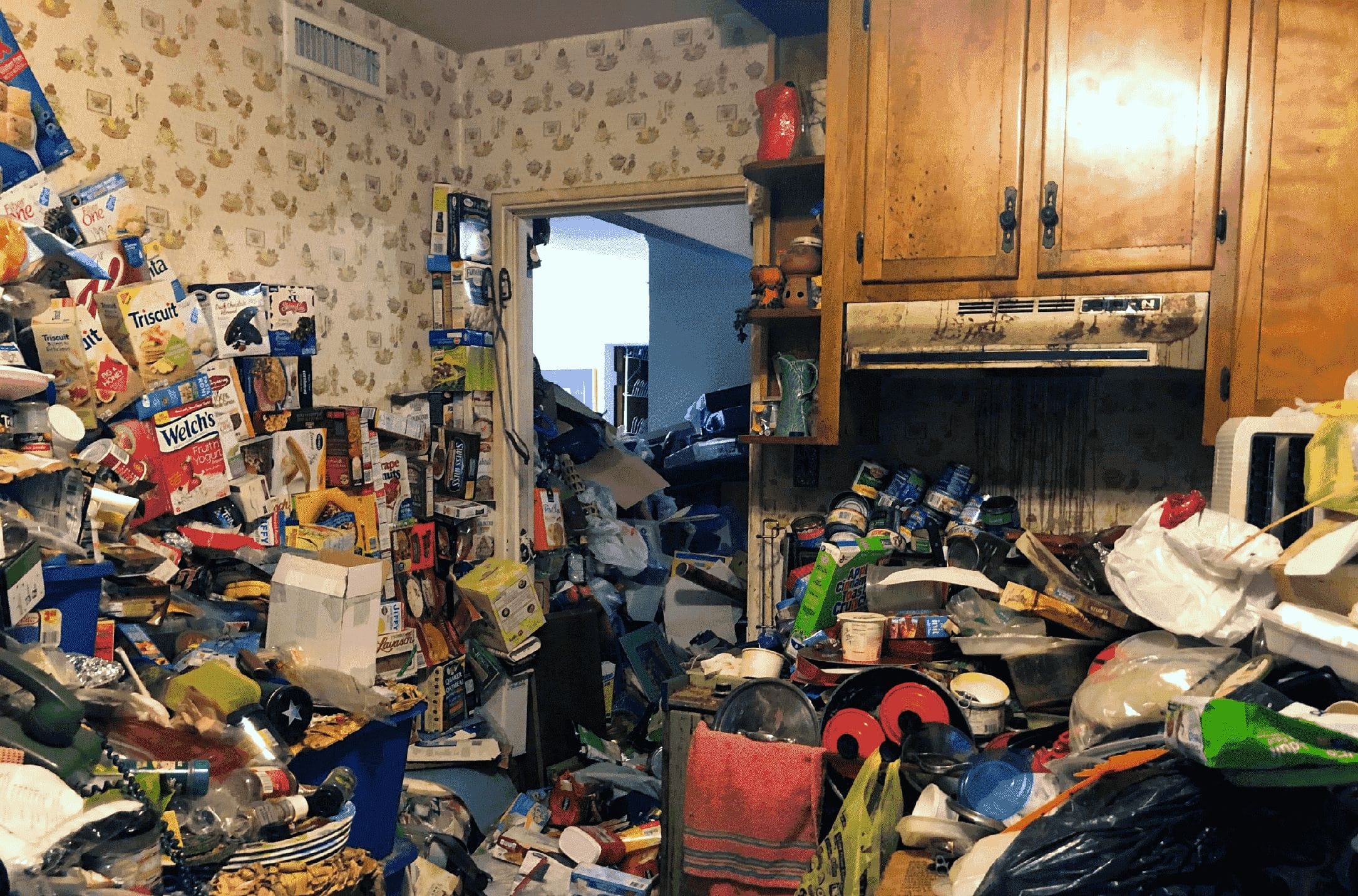
Identifying whether hoarding, clutter, or squalor affects a home can be challenging but essential for seeking appropriate help. Here are some common signs:
Hoarding can have severe repercussions on daily life:
While less severe than hoarding, clutter can also affect daily life:
Living in squalor has the most drastic impact:
It can be challenging to approach someone dealing with hoarding behavior. Sensitivity and understanding are key, and it's crucial to avoid judgment or criticism. Some tips for approaching a loved one with hoarding behavior include:
If you're dealing with a hoarded home, or wish to help a loved one with cleaning a hoarded home, this guide may help you: 4 Ways to Help a Hoarder On Their Journey to Recovery | Bio-One of Oceanside
Hoarding, clutter, and squalor are conditions that can significantly impact lives but are often misunderstood. Recognizing the signs and understanding the differences between them is the first step toward seeking help and making positive changes.
At Bio-One of Sacramento, our team is trained to handle hoarding situations with empathy, respect, and professionalism. Contact us today to learn more about our hoarding cleaning services or to schedule a consultation.

You might not think about it often, but biohazards are lurking in the most ordinary places, as they seem to play an unseen role in our daily routines. From the mold growing in the damp corners of our bathrooms to the viruses we come in contact with at public places, these invisible threats are more common than we'd like to admit. It's a bit unsettling to realize how our everyday activities can expose us to substances that, under certain conditions, could pose significant health risks.
Stick around as we uncover some of the most shocking biohazard examples hidden in plain sight in our daily lives. You might never look at your surroundings the same way again!
According to the Centers for Disease Control and Prevention (CDC), a biohazard is defined as "any biological or chemical substance that is dangerous to humans, animals, or the environment." This encompasses a wide range of materials, including medical waste, microorganisms, viral pathogens, and toxic chemicals, all of which can pose serious health risks if not properly managed. Biohazards can be found in various settings, including healthcare facilities, laboratories, and even our own homes.
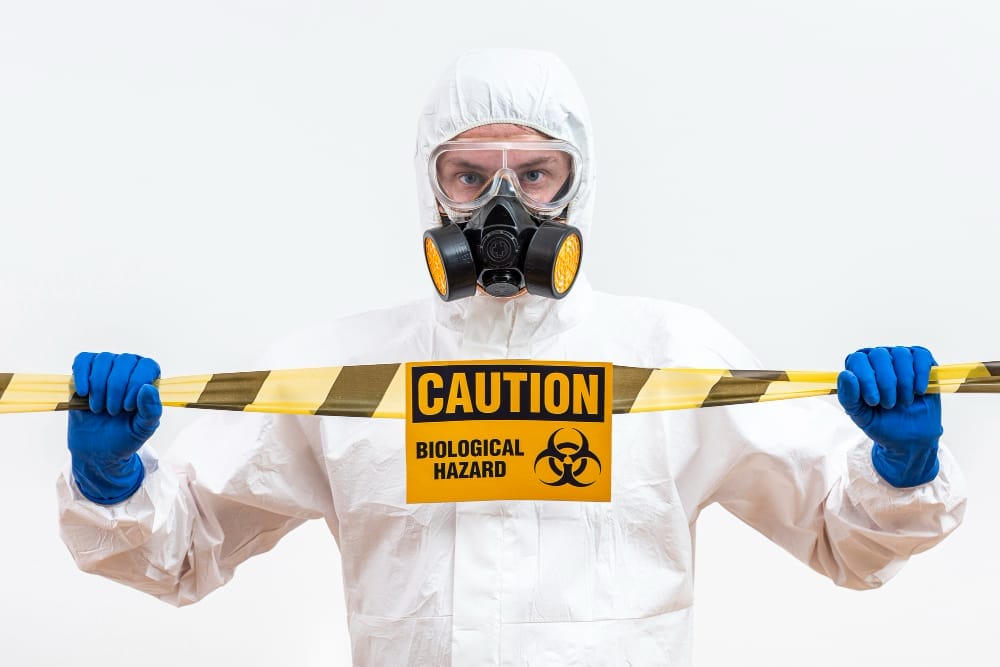
The Centers for Disease Control and Prevention (CDC) categorizes biohazards into four distinct biosafety levels (BSL), each with increasing levels of containment and safety precautions to minimize the risks associated with handling infectious agents.

Specialists specifically design each level to contain and manage the risks associated with different types of biohazards.
Many people find it surprising to learn that a number of common household items fall into the category of biohazards:
Beyond our homes, many workplaces also encounter biohazards as part of their daily operations. Some biohazard examples in work settings include:
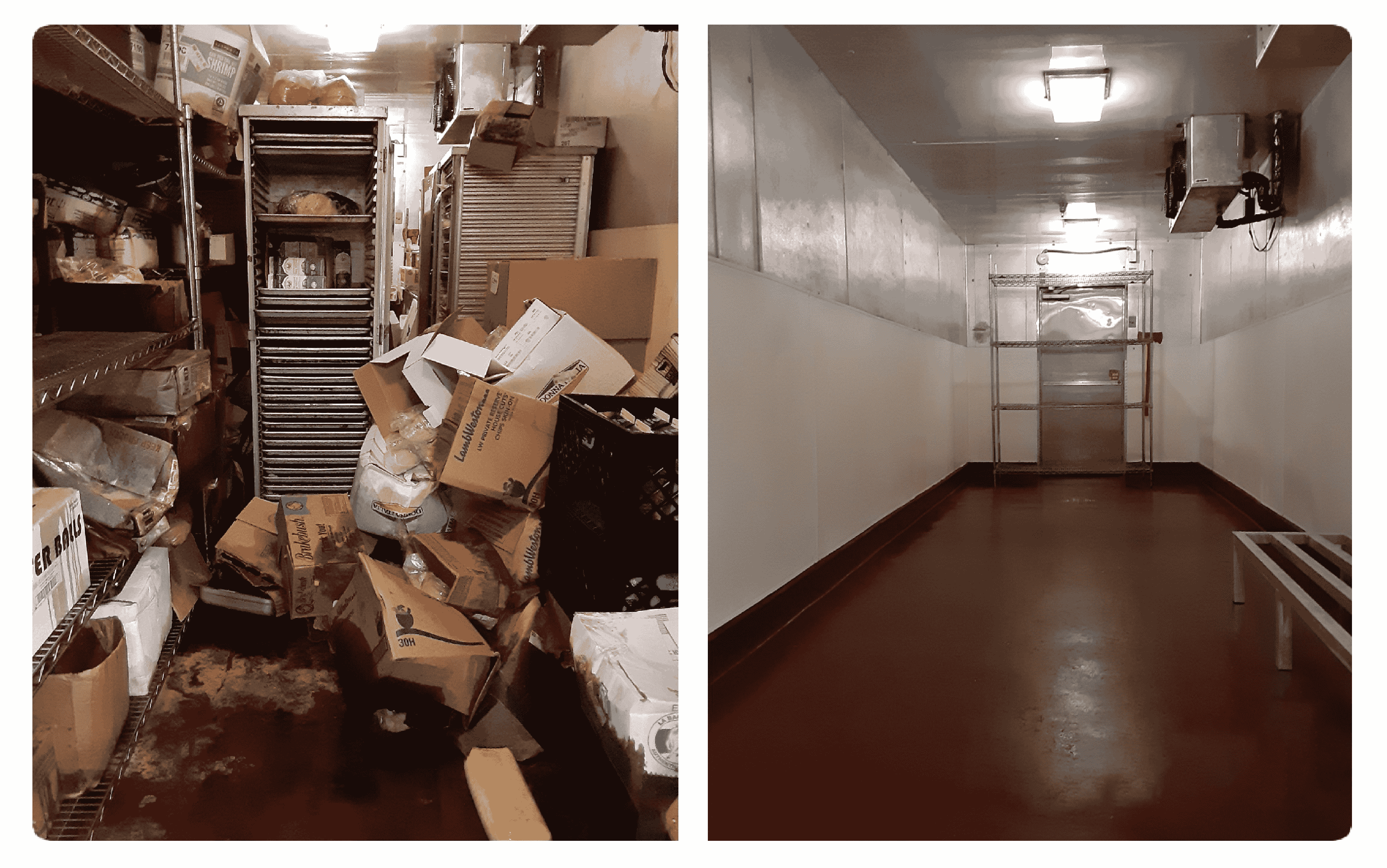
Aside from the more common examples mentioned above, specific situations may also expose individuals to other types of biohazards:
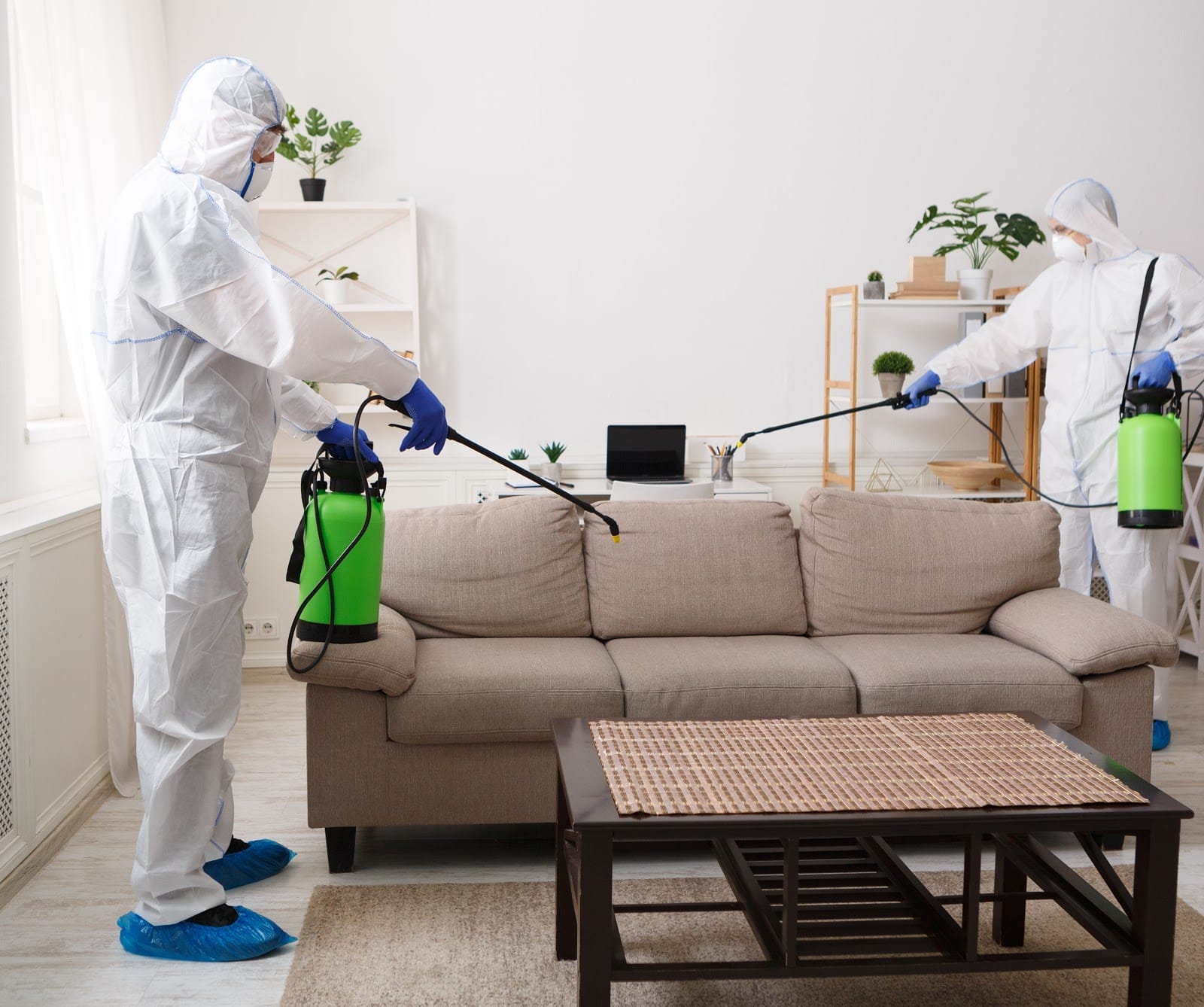
Bio-One of Sacramento offers a range of biohazard cleanup and remediation services to protect you and your community. We are available 24/7 to respond to emergency situations and provide thorough services. Call us today for a free consultation in the Sacramento County and surrounding areas!
Hoarding affects approximately 4-6% of the population and is characterized by excessive accumulation of items and difficulty discarding them. It can have a range of negative consequences, including strained relationships, financial problems, and health hazards. But did you know that it can be categorized into 5 distinct stages? Understanding each of these stages can help better understand what the individual may be going through.
Hoarding is not a situation that occurs overnight. It can be a gradual process that intensifies over time through a series of stages:
The initial stage is often mistaken for simple disorganization. Spaces in the home might be cluttered, but no living areas are compromised. At this stage, while there might be slight embarrassment about the condition of the living space, there’s no significant distress or functional impairments.
During the second stage, one or more rooms begin to lose their intended functionality. An individual may purchase items they don't need or save an excessive number of items like junk mail or newspapers. At this stage, the individual's clutter is noticeable, and there may be feelings of shame or embarrassment about the state of their home. The clutter begins to affect the quality of life, causing discomfort to residents and visitors.
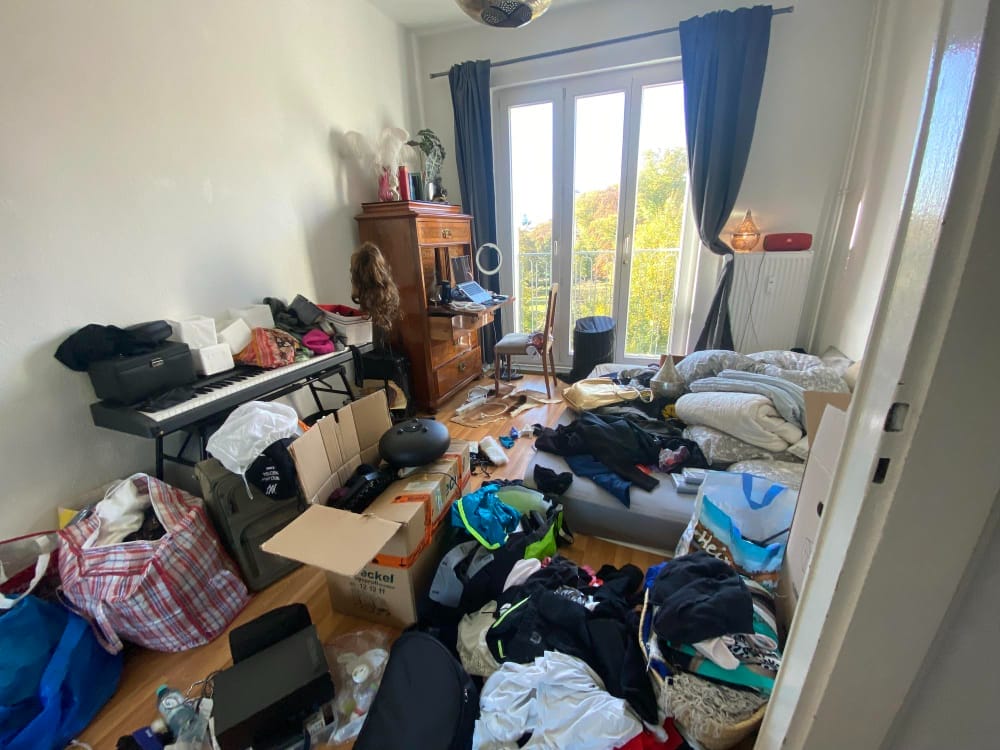
At this midpoint, the clutter severely affects the functionality of living spaces. Essential appliances may be blocked, and beds or bathrooms become unusable. There is often a significant increase in acquiring objects and a noticeable difficulty in giving anything away. Feelings of isolation and withdrawal from social activities may occur due to the embarrassment of inviting people into a cluttered home.

The fourth stage of hoarding is characterized by clear neglect of the home. Structural damage to the property may be left unrepaired, and there may be issues with cleanliness, which ultimately results in unhealthy living conditions. At this point, it's difficult to approach the individual, as they may be in denial about the severity of their behavior. In some cases, severe hoarding can lead to eviction or legal action from landlords or local authorities.
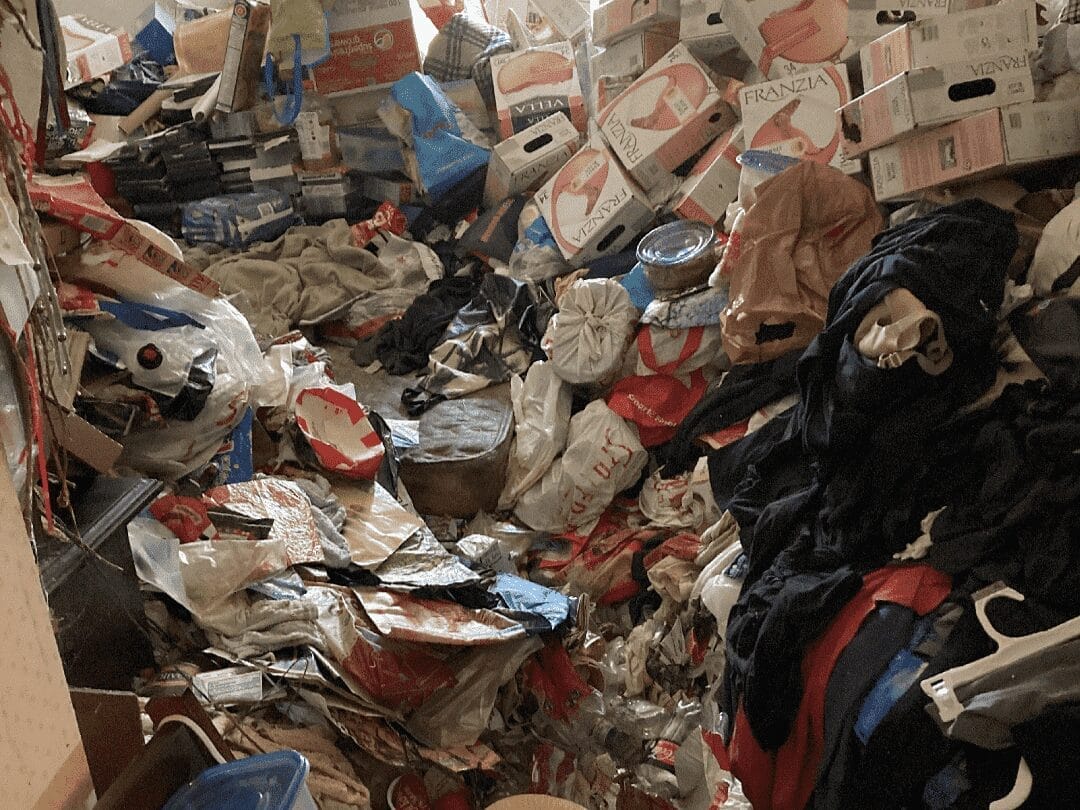
The final stage of hoarding is extreme and often considered a mental health disorder. At this point, the individual has lost all control over their possessions, and their property may be deemed uninhabitable. An excessive amount of garbage and squalor creates physical and emotional distress for both the hoarder and those around them. In some cases, intervention from mental health professionals or social services may be necessary to address the situation.
People often use the terms hoarding and collecting interchangeably, but significant differences exist between these two behaviors. Collecting is a purposeful and organized activity where individuals intentionally acquire objects that bring them joy or have value for them . Collections are often displayed and well-maintained, and the individual is able to control their desire to acquire items.
On the other hand, hoarding is an uncontrollable urge to accumulate objects without a specific purpose or organization. Hoarders often feel distressed when attempting to discard or part with their possessions.
We covered it all in our blog: Joy vs. Burden: Exploring the Signs of Hoarding and Collecting | Bio-One of Sacramento
If you or someone you know is struggling with any of the 5 stages of hoarding, it's essential to seek help as soon as possible. Hoarding can have severe consequences, both for the individual and those around them. Here are some steps to take when addressing a hoarding situation:
Educate yourself about the signs, causes, and consequences of hoarding by reading articles and speaking to mental health professionals.
Hoarding is a sensitive topic, and individuals struggling with it may feel ashamed or defensive when confronted. Approach them with empathy and understanding, and avoid judgment or criticism.
Hoarding often requires professional intervention. Encourage the individual to seek therapy or join a support group specifically for hoarders.
Hoarding can be overwhelming, and the individual may feel paralyzed by the thought of addressing their possessions. Offer practical support, like helping them declutter or organizing their house.
Hoarding won't be changed overnight. Be patient and understanding, and celebrate any progress made towards a positive change.
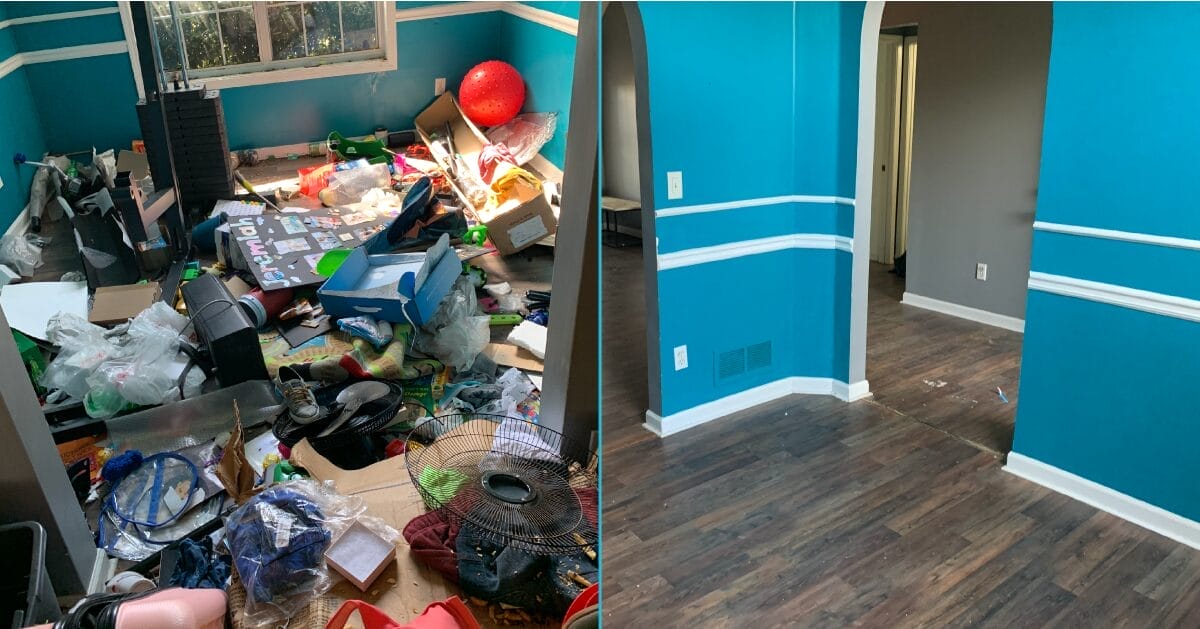
Bio-One of Sacramento offers professional hoarding cleanup services to help individuals struggling with hoarding. We understand that hoarding requires a personalized approach, which is why we work closely with clients to develop a plan that meets their specific needs. Let us help you or your loved one on the journey to recovery.

The aftermath of a hoarding environment is usually filled with unexpected challenges and a massive amount of clutter. Whether you are facing the daunting task of deep cleaning your own home or helping a loved one recovering from hoarding, it's important to have a clear plan and approach to tackle the situation effectively. If you ever wondered 'Can hoarding be cured?' the answer is yes, but it requires a lot of effort and patience. Here are some tips to help you get started.
Disclaimer: Please note that while we provide this information as a service to the community, we operate as a professional hoarding cleanup company. Our aim is to educate and inform readers about the potential dangers and health risks associated with hoarded homes. Our expertise and experience in this field guide our insights and recommendations throughout this guide.
Before diving into the cleaning process, it's important to take a step back and assess the situation. This will not only help you plan accordingly, but it will also give you a better understanding of the level of hoarding and potential hazards present in the home. Here are some important factors to consider:
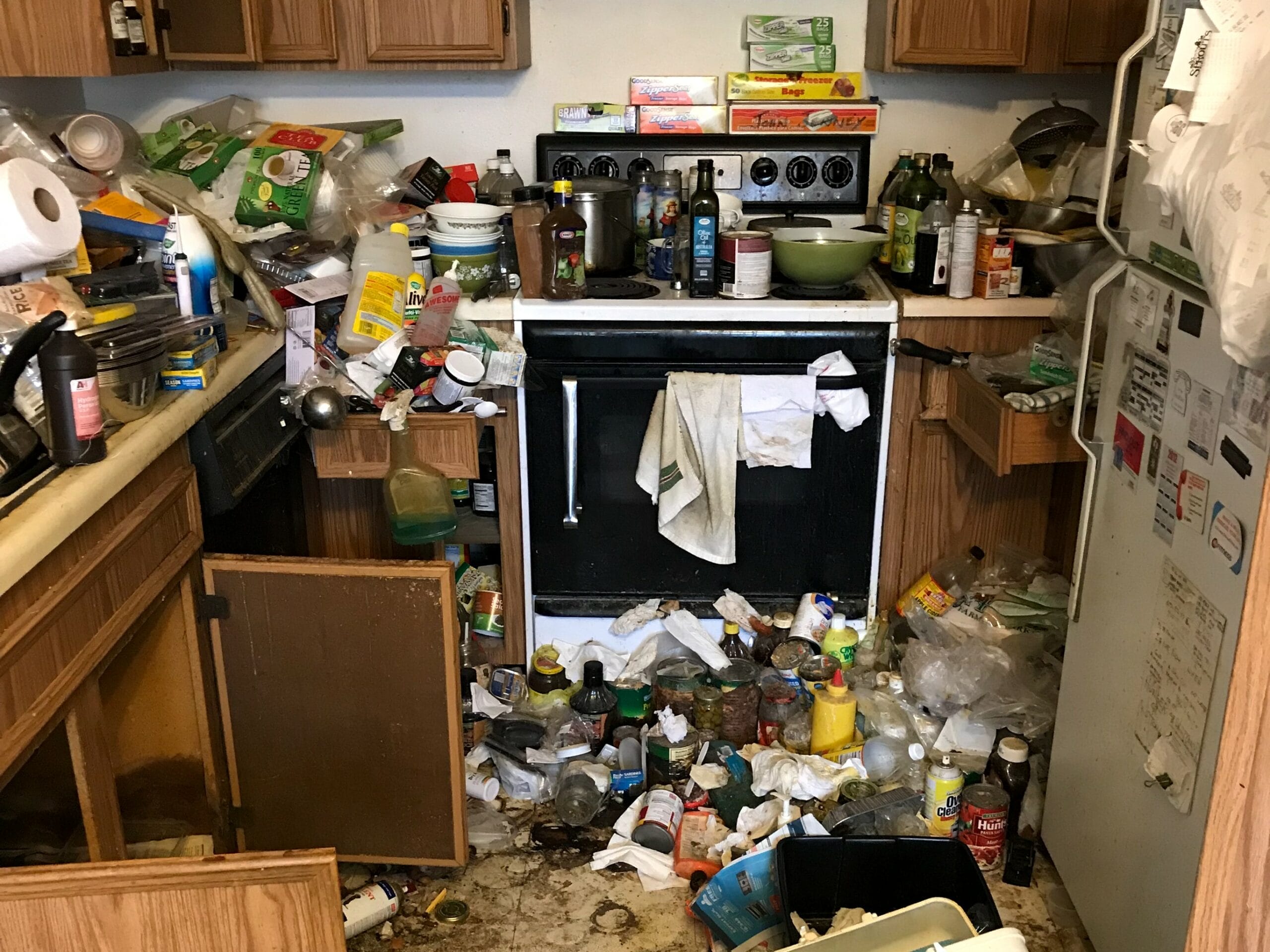
Hoarding is often a coping mechanism for individuals who are struggling with mental health issues or traumatic events in their lives. It's important to remember that the hoarder may feel a strong attachment to their possessions and may have difficulty letting go.
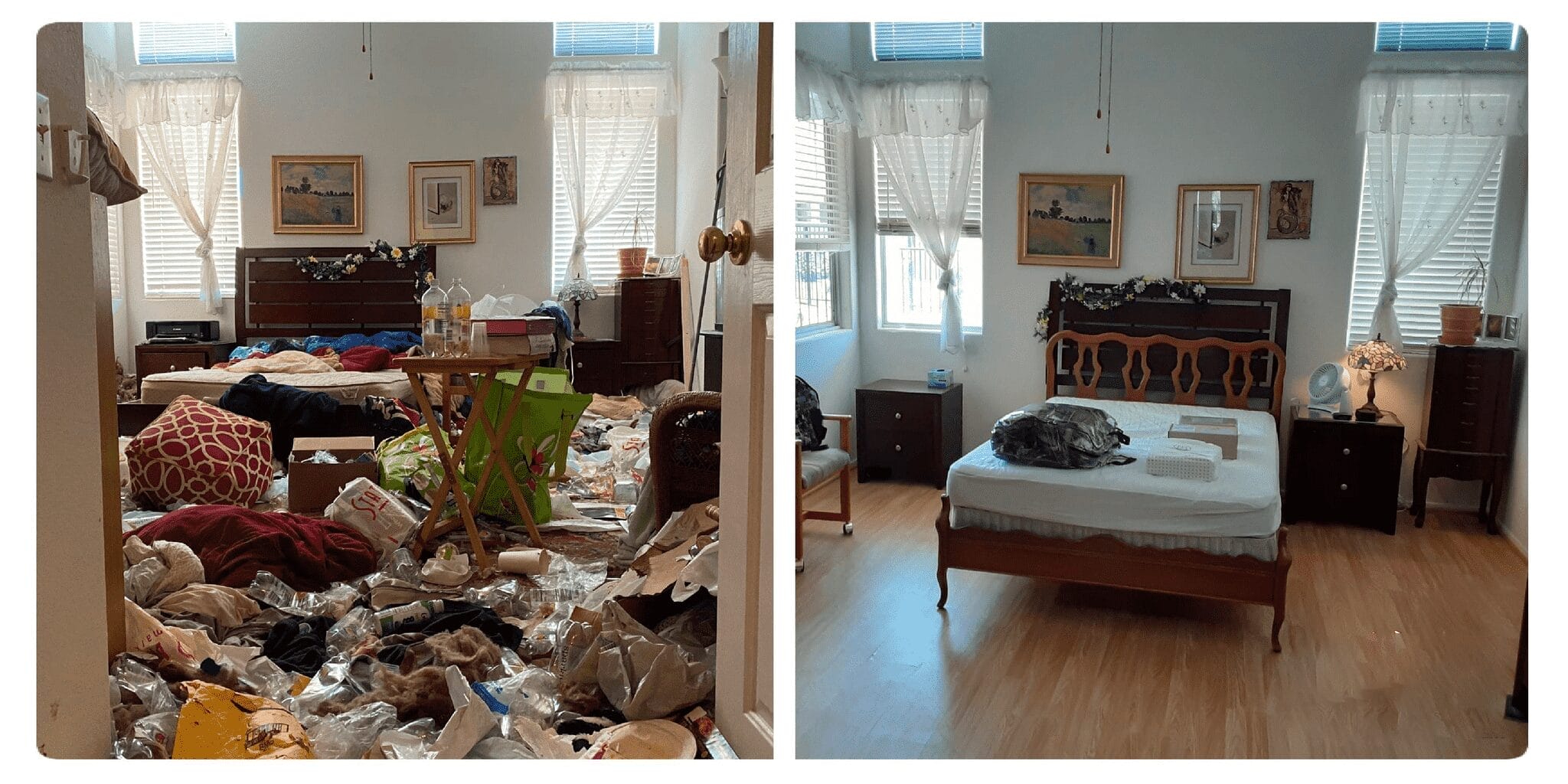
1. Sorting and Organizing
Begin with one room or a specific area, sorting items into previously determined categories. This phase is often the most time-consuming but is critical for a thorough clean-up. Use labeling systems and keep an inventory if necessary to track progress and facilitate decision-making.
2. Cleaning Strategies
Once items have been sorted, the actual cleaning can commence. This involves dusting, vacuuming, and decontaminating surfaces that may have been untouched for years. For professional organizers, investing in high-quality cleaning supplies and equipment can significantly expedite this process.
3. Addressing Repairs
In many hoarded homes, the accumulation of items can conceal damage to the property. Assess for any needed repairs and address these issues promptly to prevent further deterioration of the home environment.
Feel free to review an effective guide on how to clean up a hoarder's house, by our friends at Bio-One of Pittsburgh.
Whether you're a professional organizer, a mental health advocate, or a homeowner looking to support a loved one, your efforts can make a significant difference in someone's life. Bio-One of Sacramento offers compassionate hoarding cleanup services and supports everyone throughout the entire process.
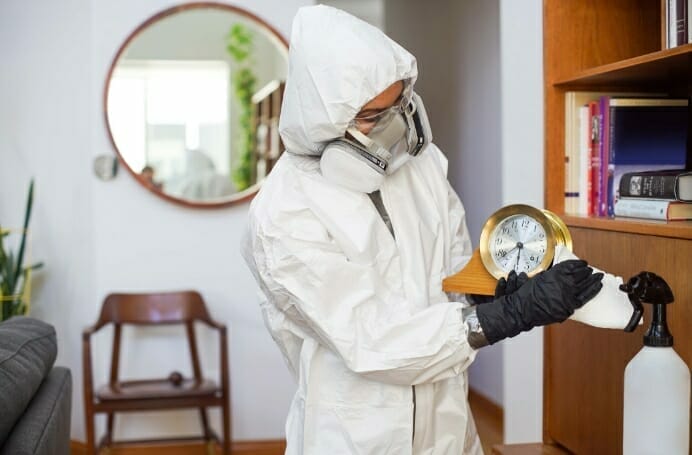
If you live in Sacramento County and the surrounding areas, give us a call for a free, no-obligation estimate. If you live in a different area, you can still contact us to connect you with a Bio-One location near you!